


Stubbington Meadows is being created as a special place for both people and nature. Once intensively farmed land, the site is being transformed into a beautiful landscape of wildflower grassland, orchards, wetlands and hedgerows, providing new homes for wildlife and helping to protect the rivers and coast that make this area so special.
Nestled alongside Titchfield Haven National Nature Reserve, the project will bring nature closer to the local community through improved footpaths, a new circular walk and opportunities to experience the changing seasons and wildlife on your doorstep.
Working together, the Solent Mitigation Partnership, Fareham Borough Council and Hampshire & Isle of Wight Wildlife Trust are creating a lasting community asset that will benefit local residents for generations to come.

|

|
Stubbington Meadows is a partnership project between the Solent Mitigation Partnership, Fareham Borough Council and the Hampshire and Isle of Wight Wildlife Trust. The Trust will be in charge of designing and managing the site to ensure that it is the perfect spot for local wildlife to call home.
The Hampshire and Isle of Wight Wildlife Trust has been protecting the wildlife and wild places of Hampshire for over 60 years. Their expert team have been at the heart of the project since it’s conception and have big plans for the site going forward.
A key goal for the Solent Mitigation Partnership is to bring benefits to the communities surrounding our mitigation sites. At Stubbington Meadows, we will make improvements to the existing public footpath and create a beautiful new permissive access circular walk that can be enjoyed by everyone in the surrounding residential area. This will include informative signs made by the Hampshire and Isle of Wight Wildlife Trust to help people spot the amazing wildlife that can now use the site.
Farming requires the use of nutrient rich fertiliser to support plant growth. Over time, these nutrients can wash away from fields and enter the surrounding environment. Water environments, and the animals and plants that live there, are very sensitive to nutrients – too much can have a detrimental effect called “eutrophication”. Eutrophication leads to excessive growth of algae, which in serious cases can lead to the smothering of vital habitat and significantly reduce the amount of oxygen in water.
Stubbington Meadows was previously used to grow cereal crops. The land runs down into a small stream on-site that drains to the Titchfield Haven National Nature Reserve and out to the Solent. Taking this land out of production has removed a source of nutrients that was in very close proximity to the protected reserve. Taking the project a step further and turning Stubbington Meadows into a carefully designed site for nature has also created more habitat for the species that visit and use the reserve.
We are improving the site for nature – creating and enhancing a variety of habitats, including wildflower grassland, an orchard, native hedgerows, wet woodland and scrub.
Hedgerows are especially important because they act as wildlife corridors, helping wildlife move between grassland, woodland and other habitats.
The site sits alongside Titchfield Haven, a nationally important wetland that is home to birds such as bearded reedlings, reed warblers and sedge warblers. By improving habitats and strengthening connections between them, the project will provide more space for wildlife to feed, shelter and thrive.
This Habitat Map shows where the new habitats will be created.
The biodiversity of the land is already increasing as the seeding for the wildflower meadow has already taking place.
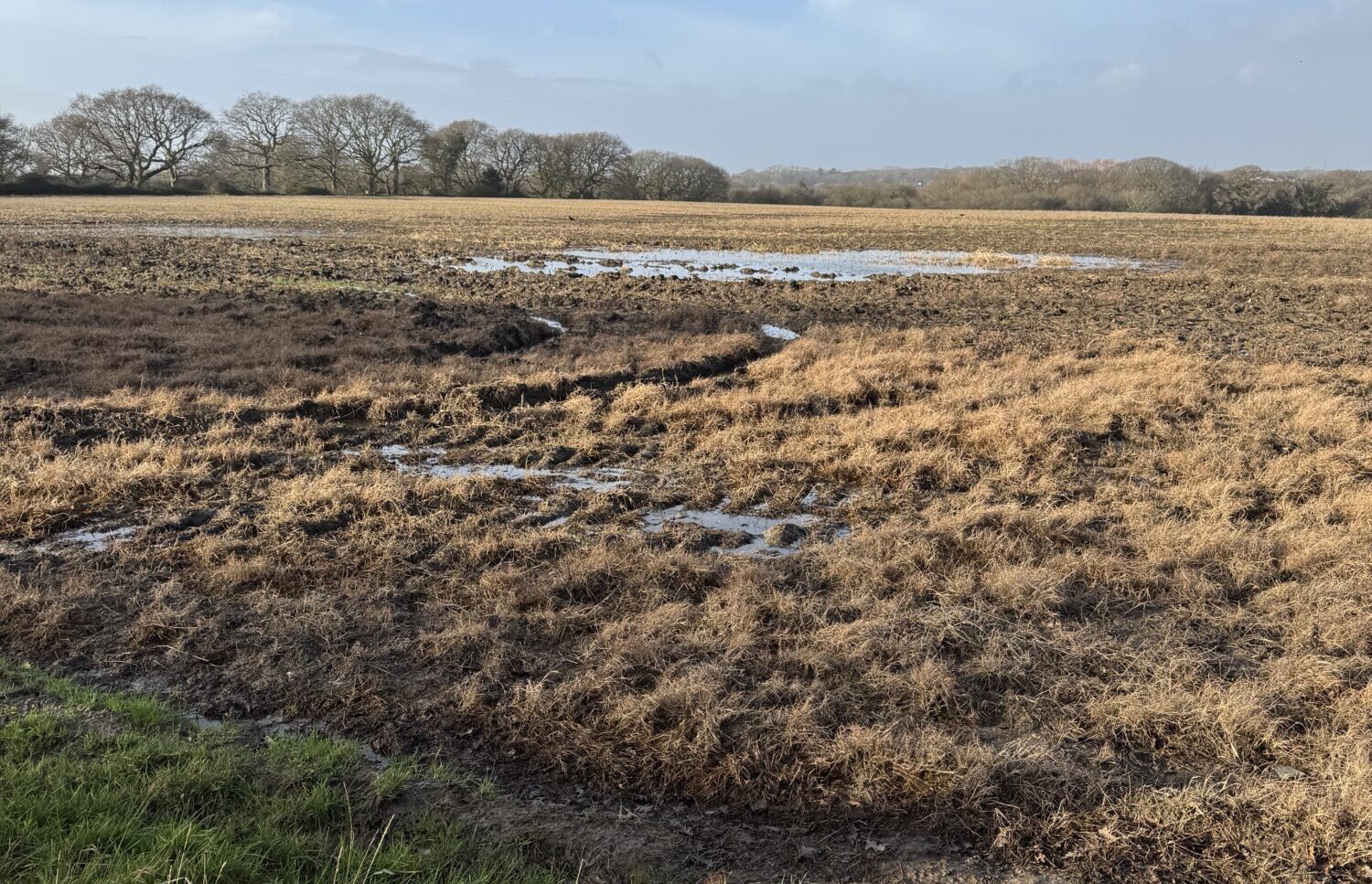
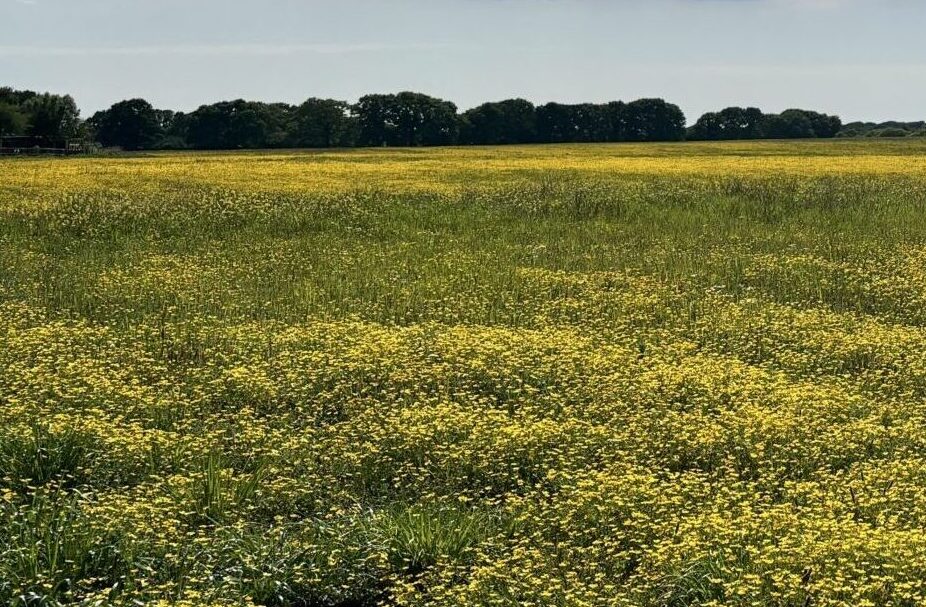
Over the next year, orchards will be planted to create new habitat for pollinating insects and birds. “Scrapes” will also be dug on site to create seasonally wet areas for wetland birds to feed.
Contractors are installing the new fencing for the site. Signage by Hampshire and Isle of Wight Wildlife Trust will also be installed to highlight the new permissive footpath route. These will also show the different types of wildlife likely to be found on the site, and how it is being managed to protect them. The permissive footpath will create a circular walk for locals within the site, while also protecting the new habitat being created.
In the winter, the trees and hedgerows will be planted on the site. This site will be updated as the works progress,
Stubbington Meadows is being transformed from former arable farmland into a thriving space for nature. By taking the land out of agricultural production, nutrient pollution entering local watercourses has been reduced, helping to protect the Solent and nearby Titchfield Haven National Nature Reserve. The site is now being managed to create a range of habitats for wildlife, including wildflower grassland, orchards, wetlands and hedgerows. Some areas of the site will also provide biodiversity mitigation, helping to support sustainable development while delivering lasting environmental benefits.
Fareham Borough Council owns and the land, and it is managed in partnership with Hampshire and Isle of Wight Wildlife Trust.
Stubbington Meadows is funded through the sale of nutrient mitigation and biodiversity mitigation. Nutrient mitigation is created by taking former agricultural land out of production, reducing the amount of nutrients entering local rivers and the Solent. This mitigation is need for new housing sites and the income generated from this mitigation helps fund the purchase, restoration and long-term management of the site.
As habitats such as wildflower grassland, wetlands, orchards and hedgerows are established and enhanced, parts of the site will also provide biodiversity mitigation. This enables the project to deliver lasting benefits for wildlife while supporting sustainable development in the Solent area. Together, nutrient mitigation and biodiversity creation provide the funding needed to restore and manage Stubbington Meadows for the benefit of nature and the community.
This is a permanent change. HIWWT will be managing the land as a nature reserve on behalf of Fareham Borough Council for 130 years.
The public footpath historically crossed the middle of the field when it was in agricultural use. In practice, however, this route had not been maintained and local residents had instead been using a path along the field boundary. Following a formal consultation process, Hampshire County Council approved a change to officially align the footpath with the well-established field-edge route in 2025. Fareham Borough Council also undertook additional public consultation as part of the process.
The new route formalises the path already used by the local community, providing a clearer and more accessible walking experience. It also allows larger, connected habitats to be created across the site, avoiding fragmentation and delivering greater benefits for wildlife while maintaining public access.
The footpath is being widened to improve year-round access and make it more resilient during periods of wet weather. A wider path provides more space for people to walk around wetter sections, helping to reduce wear and soil compaction caused by concentrated foot traffic.
In addition, the new and more diverse habitats on the adjacent nature reserve will help water drain more naturally across the site. Together, these measures will help create a more accessible and durable route while retaining the site’s natural character. Seasonal wet conditions may still occur at times, but the improvements are designed to make the path easier to use for much more of the year.
No. There are no plans to tarmac or otherwise hard-surface the footpath. The route will retain its natural, rural character and will continue to have an unsealed surface, in line with Hampshire County Council’s standards for countryside footpaths.
The planned improvements focus on widening the path and improving its usability and resilience in all seasons, rather than changing its fundamental character. The aim is to provide a more accessible and enjoyable route while maintaining the natural appearance and setting of Stubbington Meadows.
Many local residents already enjoy walking across the site, and the project aims to retain and enhance those opportunities. The new circular walking route has been designed to follow many of the existing paths and desire lines that people already use, while creating a more complete and connected route around the site.
In some locations, the route may differ slightly from existing informal paths.
These changes help protect sensitive habitats, including naturally wet areas where new scrapes and wildlife features are being created, and avoid steeper sections of ground. Some areas of the site will also be fenced to reduce disturbance to wildlife and allow habitats to establish and thrive.
Our aim is to reduce harm to livestock from dogs running in the meadow, we are trying to prevent diseases spread from dog faeces. Even when the livestock aren’t on the land, we can not risk having dog faeces in any hay that is used for livestock feed.
Overall, the new route will provide continued access to the site while balancing the needs of both visitors and nature.
The fencing is being replaced with more durable materials that are better suited to the long-term management of the site. The new fencing will require less maintenance, have a longer lifespan and be easier to repair or replace if needed.
As well as helping to clearly define boundaries, the upgraded fencing will support the ongoing management of habitats and wildlife, ensuring the site can be maintained effectively for the benefit of both nature and visitors.
Grazing animals will be introduced to parts of the site in the future as a natural way of managing habitats. Conservation grazing is a well-established technique that helps maintain healthy grassland, control scrub growth and create conditions that benefit a wide range of wildlife.
When grazing animals are used, they will be safely enclosed by fencing. Public access along designated footpaths will be maintained, and signage will be provided where necessary. The use of grazing animals will help support the long-term management of Stubbington Meadows while ensuring the site remains a safe and enjoyable place for visitors and their dogs.
No. To protect wildlife and sensitive habitats, dogs should be kept on the designated public and permissive footpaths and not walked across the meadows or other habitat areas.
The site is being managed to provide safe spaces for wildlife to feed, nest and shelter. Restricting access to established paths helps reduce disturbance to birds and other animals, protects newly created habitats, and allows nature to thrive. The circular walking route has been designed to provide enjoyable access around the site while balancing the needs of both visitors and wildlife.
We recognise that dog waste is an important issue for both visitors and wildlife. Dog waste can affect the enjoyment of the site for other users and, if left unchecked, can damage habitats by adding nutrients to the soil and disturbing sensitive ecosystems.
We ask all dog walkers to help keep Stubbington Meadows clean, safe and enjoyable by always bagging and taking dog waste home or disposing of it in a suitable bin.
A public footpath is a legally protected public right of way that can only be changed through a formal legal process. In contrast, a permissive footpath is a route that a landowner voluntarily allows the public to use. While permissive routes can provide valuable access to the countryside, they do not carry the same legal status as a public right of way.
At Stubbington Meadows, the existing public footpath will remain in place. In addition, a new permissive circular walking route will be created, providing residents with more opportunities to explore and enjoy the site. This approach helps balance public access with the long-term management of habitats for wildlife, allowing people and nature to benefit from the project.
No, motorcycles can not use a public right of way. The enforcing authority for this is the Police under section 34 of the Road Traffic Act.
As Stubbington Meadows develops, it will provide habitat for a wide variety of wildlife. Visitors may see butterflies, bees and other pollinating insects in the wildflower grasslands, along with birds using the hedgerows, scrub and orchard habitats for food and shelter.
The site’s close proximity to Titchfield Haven National Nature Reserve means it is well placed to support a range of wetland and farmland species. Depending on the season, you may spot birds such as kestrels, skylarks and goldfinches, as well as amphibians, small mammals and a variety of invertebrates. New wetland features and enhanced habitats will help attract even more wildlife over time.
Nature recovery is a gradual process, so the wildlife you see will continue to change as the habitats establish and mature. We hope visitors will enjoy watching Stubbington Meadows become an increasingly rich and diverse place for nature.
The orchard is being created primarily as a wildlife habitat, providing food and shelter for birds, insects and other species. To help the young trees establish and protect the surrounding habitat, the orchard areas will be fenced and will not be open for general fruit picking.
As the orchard matures, the Hampshire & Isle of Wight Wildlife Trust will explore opportunities for community involvement, such as organised fruit-picking or other seasonal events in the future.
Please report any damage, maintenance issues or safety concerns using the contact details provided on this website. Reports from visitors help us identify problems quickly and ensure the site remains safe and enjoyable for everyone.
If there is an immediate risk to public safety or a crime is taking place, please contact the emergency services.